


How retail signals are reshaping full-funnel marketing: lessons from PepsiCo at POSSIBLE
By Kyle McWhirter, Group Director, Head of Food, Walmart Connect


Marketers have always been strong at product innovation. But as the path to purchase becomes more dynamic, the way we bring those products to market must evolve alongside it.
That’s starting to change. Retail signals are shifting marketing from a fixed, pre-planned model to one that adapts in-market, shaped by what customers are actually doing rather than what we expect them to do.
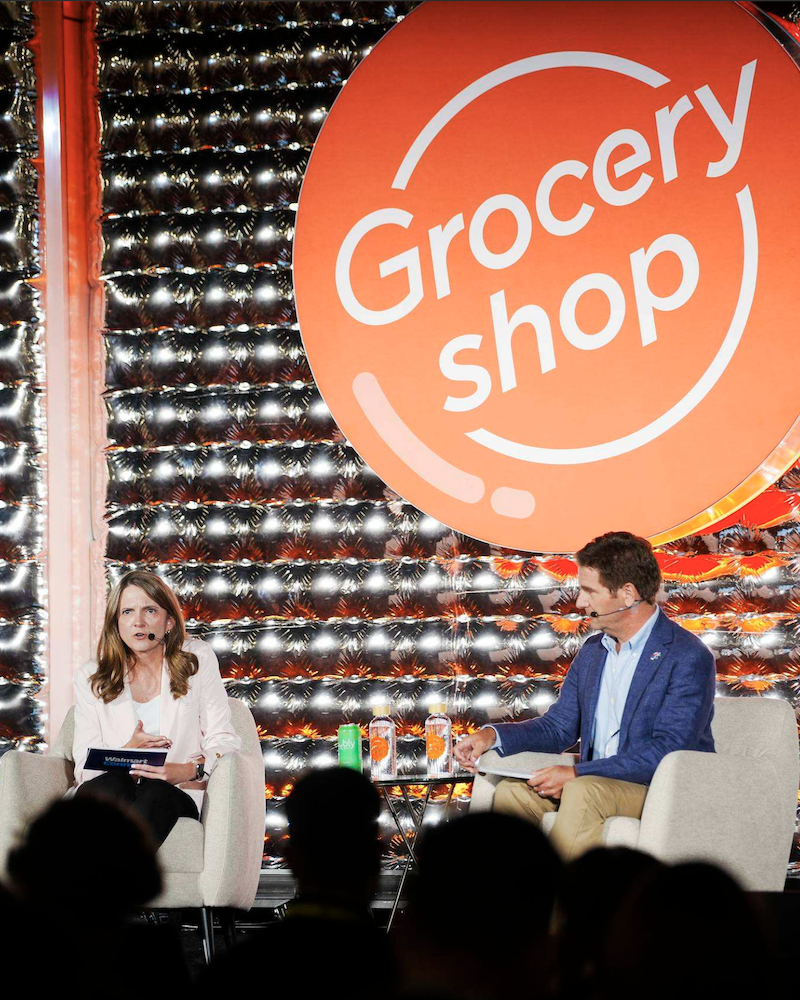
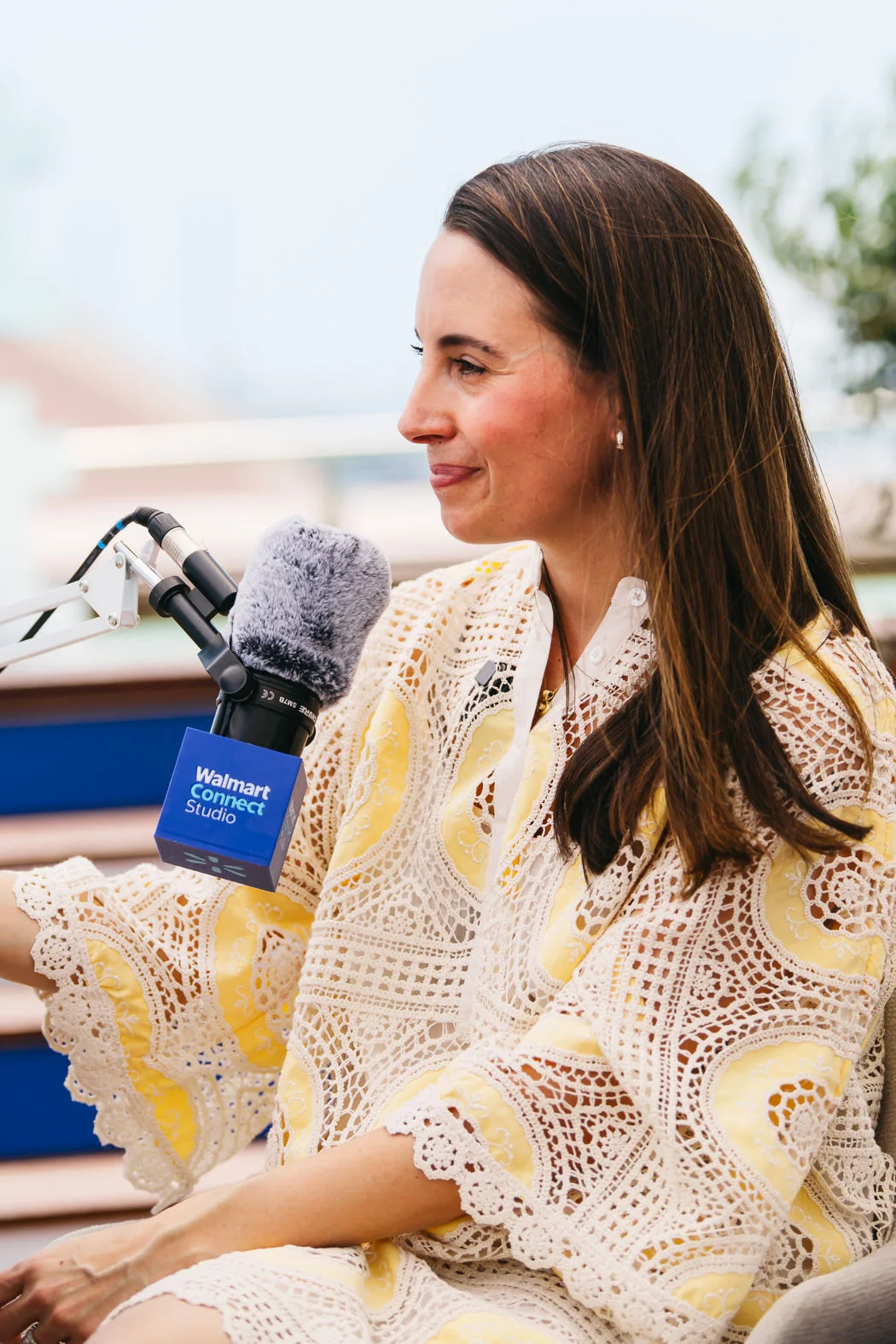
At POSSIBLE this year, that shift came into focus during a Vision Stage conversation with Mark Kirkham, Chief Marketing Officer at PepsiCo Beverages U.S. We unpacked the launch of Pepsi Prebiotic Cola and what it reveals about how strategy is evolving. The takeaway was clear: the most effective approaches today don’t start with assumptions about the audience — they start with real customer behavior.
Strategies that scale are shaped by real customer behavior
Like most launches, this one had a clear audience hypothesis. But once the product was in market, Walmart Connect’s first-party data told a different story.
Instead of a narrow, health-focused segment, the strongest response came from everyday cola shoppers and lapsed category buyers. That insight is difficult to predict in advance but becomes clear quickly when grounded in real purchase behavior at scale.
As Mark put it during our conversation, “The learning we got allowed us to shift messaging, shift targeting, rethink pricing and pack architecture and use those learnings as we scaled the launch to Walmart and other retailers. That’s modern-day marketing.”
That willingness to pivot is what separates static planning from modern marketing. When signals reflect actual behavior rather than assumptions, brands can refine targeting, adjust messaging and scale the right opportunities while the campaign is still live.
Walmart Connect didn’t just activate media, it used first-party data to help surface what was actually happening with customers early enough to adjust. The strategy didn’t lock before launch. It evolved based on what customers were telling us in real time.
Customer insights shape full-funnel creative and media strategy
Insight only matters if it translates into execution.
In this case, customer insights informed how Pepsi showed up across the full funnel. CTV, especially through VIZIO, helped build awareness at scale. Walmart Connect’s Onsite and Offsite solutions reinforced the message, and Search and Store ads connected customers directly to purchase.
Just as important, the creative strategy evolved to speak to the new, broader audience. Messaging leaned into taste to expand appeal, while reinforcing functional benefits closer to conversion. Instead of disconnected tactics, the campaign worked as a coordinated full-funnel system where each touchpoint reinforced the next.
As Mark described it, “It’s allowing us to take that learning not just fuel our messaging, but what do we make next? How do we target it next? And I think that’s going to go a long way.”
That’s the shift in full-funnel marketing. It’s not about separating brand and performance. It’s about connecting them through shared insight.
Signals that matter measure impact from content to cart
Early performance results show strong momentum. Single-serve velocity outperformed the category, eCommerce drove roughly one-third of the mix and exceeded expectations, and the campaign delivered more than 150 million national impressions.
But what matters more is what those results represent. Measurement is evolving alongside strategy. When measurement connects media exposure to real-world behavior, it moves beyond channel reporting to show what’s driving outcomes from content exposure through conversion.
That level of visibility allows teams to optimize in real time and scale what’s working across the full funnel.
What this means for the future of retail media and marketing
This isn’t just about one launch. It reflects a broader shift in how marketing operates, moving from static planning to continuous learning.
As Mark put it, “If we can use the power of your data and our brands — from ideation to innovation to execution and then repeat — that’s not a transaction. That’s a flywheel.”
The advantage isn’t just seeing what customers are doing. It’s acting on it. Shaping strategy earlier, connecting insight across brand and performance environments and measuring what actually drives growth.
That’s where Walmart Connect shows up differently. We help brands understand the customer, reach them, influence them and measure outcomes, all in one connected system.
And that’s when retail media becomes more than a media buy. It becomes a driver of growth.
Source: Walmart Connect first-party data campaign insights, Pepsi Prebiotic, Nov. 21, 2025–May 18, 2026.

Ready to get started?
Join Walmart Connect and put our partners, expertise and data to work for you.
You might be interested in


Wherever you are, we’ll help you go further
Launch, optimize, grow—on your terms

 Accessibility